Crown Reduction in Islington
When a tree has become too tall, too wide, or simply too dominant for its setting, crown reduction in Islington can be the right way to bring it back into balance without removing it altogether. For homeowners, landlords, property managers, and businesses across the borough, this service is often about more than appearance. It can improve light, reduce pressure on branches, help a tree fit safely around buildings, and make a garden or forecourt feel more usable again.
In an area like Islington, where homes range from compact terraces and mansion blocks to converted flats, garden squares, and commercial premises, trees need careful management. Mature trees are valuable, but they also need the right level of attention to suit the space they’re growing in. A well-planned crown reduction can preserve the tree’s health and character while making it more practical for the property around it.
If you are looking for a local team that understands the realities of working in Islington—restricted access, shared gardens, on-street parking, conservation-minded neighbourhoods, and a mix of private and commercial sites—this page explains how the service works, what is usually included, and when to request a quote. Contact us today if you want a tree assessed and the work discussed properly.
What crown reduction means for local property owners
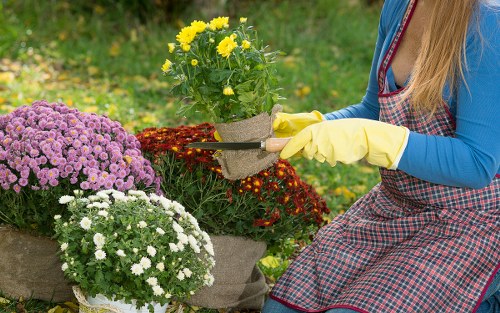
Crown reduction is the selective shortening of a tree’s branches to reduce the overall height and spread of the canopy. The aim is not to hack the tree back, but to retain its natural shape as much as possible while making it smaller, lighter, and better suited to its surroundings. A good crown reduction is controlled, balanced, and tailored to the species, the tree’s condition, and the site.
For many customers searching for tree crown reduction in Islington, the main concern is practical. The tree may be blocking natural light into a kitchen, shading a patio for much of the day, leaning too close to a roofline, or brushing against neighbouring boundaries. In some cases, branches may be interfering with gutters, overhead lines, or regular access to a driveway or service entrance. Reducing the crown can solve these issues without taking the more drastic step of removal.
It is also an important option where a tree has grown too large for its setting over time. This is common in older Islington gardens and shared outdoor spaces where a tree may have been planted decades ago when the surroundings were very different. As homes have been extended, walls added, or neighbouring buildings changed, the tree may now need careful reshaping to remain an asset rather than a nuisance.
Why crown reduction matters in Islington
Islington has a very distinctive built environment. Narrow streets, close-set homes, planted courtyards, communal gardens, and mixed-use buildings all create situations where trees must be managed thoughtfully. In some roads, there is little room for large equipment or easy parking. In others, access to rear gardens may be through a property, a side return, or a shared passage. These details matter when planning any form of tree surgery.
A local service is useful because it understands how to work around these constraints efficiently. The team can consider access, waste removal, storage of equipment, communication with neighbours, and the need to protect paving, walls, and planting beds. This makes the job smoother and less disruptive for everyone involved. It also means the final result is more likely to suit the way people actually use their outdoor space.
There is also a strong amenity side to tree care in Islington. Many residents value mature trees for privacy, greenery, and a calmer feel in dense urban surroundings. The challenge is finding a balance between keeping that character and preventing the tree from overpowering the site. Crown reduction in Islington is often the best compromise when a tree is healthy but simply too large for the location.
When a crown reduction may be recommended
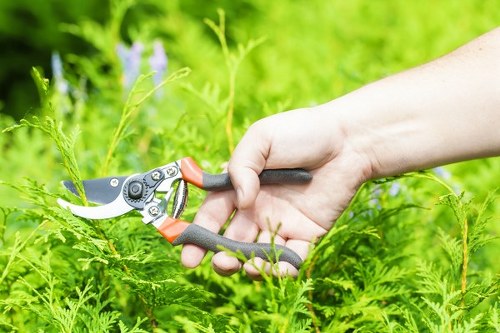
Not every tree needs the same treatment. A careful assessment is always important before any cutting begins. Crown reduction may be suitable when the tree is healthy enough to respond well to pruning, but its size or shape has become awkward. It may also be recommended where the crown is catching too much wind, leaning toward a structure, or causing excessive shade in a small garden.
Common reasons people ask for this service include:
- Branches growing too close to a house, extension, roof, or boundary
- Loss of light in a room, courtyard, or terrace
- Canopy spread overhanging neighbouring property
- Improved clearance above paths, entrances, or parking spaces
- Reducing wind resistance on a tall, exposed tree
- Making a tree more appropriate for a small urban plot
- Keeping a mature tree while avoiding full removal
Sometimes customers ask about crown thinning or crown lifting instead. Those services can also be useful, depending on the issue. Thinning removes selected interior branches to let more light and air through, while lifting removes lower branches to increase clearance below the canopy. A tree surgeon or arborist will usually recommend the most suitable approach after seeing the tree in person.
What a professional crown reduction service usually includes
A proper service starts with inspection. The tree’s species, age, health, previous work, branch structure, and location all influence what can be done safely and how much reduction is appropriate. In a dense area like Islington, this first step is especially important because the setting often affects both access and the style of pruning needed.
Most customers want to know what they are paying for. A well-run service typically includes the following:
- Initial assessment of the tree and site conditions
- Advice on whether reduction is suitable, or if another approach would be better
- Careful pruning to reduce the crown evenly
- Removal of dead, damaged, or crossing branches where necessary
- Safe lowering and handling of cut material
- Waste clearance and site tidy-up unless otherwise agreed
- Attention to nearby property, fences, planting, and surfaces
In some cases, additional steps may be needed depending on the tree and location. For example, a tree near a public pavement or shared access route may require more careful site management. Similarly, a tree in a conservation area or under a tree preservation order may need checks before work goes ahead. A responsible local company will discuss this clearly before any cutting is arranged.
Good practice matters
Tree work should be done with the tree’s long-term structure in mind. Reducing too much at once or cutting in the wrong places can leave awkward regrowth, stress the tree, or spoil its natural form. That is why a knowledgeable team will aim for proportionate reductions rather than drastic cutting. The goal is to improve the tree’s relationship with the site while keeping it healthy and attractive.
How crown reduction is carried out
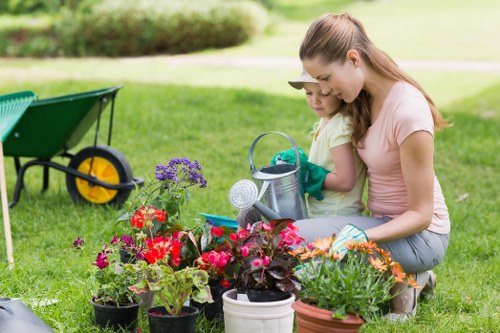
Every site is different, but the process usually follows a clear structure. First, the tree is inspected and the required outcome discussed. Then the team decides where the reduction should be made and whether access equipment, climbing methods, or traffic management may be needed. In Islington, especially on busier roads or tight residential streets, planning access carefully can save a lot of time and reduce disruption.
The pruning itself involves shortening selected branches back to suitable growth points so the tree retains a balanced shape. This is different from simply cutting everything to the same length. A skilled arborist will avoid leaving stubs and will work with the tree’s natural form. The final appearance should look deliberate and even, not heavily forced or patchy.
After the main work, debris is removed and the site is cleared down. On small urban properties this matters a great deal, because customers often use limited garden space for seating, storage, or access. Many people also appreciate being able to use the outdoor area straight away again once the team leaves. If the tree is near a shared space or front boundary, extra care is taken to keep paths usable and tidy.
Local challenges in Islington properties
One of the reasons people choose a local tree surgery team is familiarity with the area. Islington properties can present practical issues that are easy to underestimate until work begins. Front gardens may be very small or absent altogether. Rear access can be through a narrow passage. Parking may be limited. Some homes sit within dense terraces where neighbours are close by and communication is important. A local team is more likely to approach the job with those realities in mind.
Commercial customers also have their own concerns. Shops, offices, schools, restaurants, managed estates, and hospitality venues may need tree work scheduled with minimal impact on customers, staff, and deliveries. Crown reduction can help maintain a smart exterior, improve visibility, and keep trees from interfering with signage, lighting, or access routes. Timing, tidiness, and clear planning are all especially valuable in these settings.
There are also character areas and historic streets where the visual result matters as much as the practical one. Mature trees add a lot to Islington’s streetscape, but they should complement the buildings around them. A careful reduction can preserve the presence of a tree while making it feel lighter, safer, and more in proportion with its environment.
Benefits of crown reduction for homes and businesses

For many customers, the benefits are immediate. More light enters the property. The garden feels bigger. Branches stop scraping against windows or gutters. The tree becomes less dominant and more manageable. In some cases, the work also improves the overall appearance of the tree by removing awkward, crowded, or overextended growth.
Key benefits can include:
- Improved light levels in rooms, gardens, and courtyards
- Better space usage around patios, paths, and driveways
- Reduced encroachment toward buildings and boundaries
- Less wind pressure on large crowns in exposed positions
- Cleaner access for residents, customers, or service users
- Enhanced appearance of a tree that had become too large
- Practical preservation of a mature tree that you want to keep
For landlords and property managers, this can also support ongoing maintenance planning. A manageable tree is easier to care for, less likely to cause avoidable complaints, and more suitable for long-term retention. For homeowners, it can restore enjoyment of the garden without losing the benefits of having a tree at all.
A balanced result
The best crown reductions are subtle enough to look natural and effective enough to make a real difference. That balance is particularly important in neighbourhoods where people value green space but also need practical, low-disruption solutions.
What to do before your tree work is booked
Preparing well makes the job easier and helps the team work efficiently. If you are arranging crown reduction in Islington, a few simple steps can make a real difference. Some preparation may be handled by the contractor, but customers can help by checking access and sharing key information in advance.
Useful preparation steps include:
- Make sure the tree to be worked on is clearly identified
- Keep access routes as clear as possible
- Move garden furniture, bikes, bins, or fragile items if they are in the work zone
- Check whether neighbours may be affected by overhanging branches or shared access
- Let the team know about locked gates, restricted hours, or parking limitations
- Raise any concerns about sheds, cables, greenhouses, or other nearby features
- Ask whether permissions may be required for protected trees or specific locations
If the tree is near a public pavement or in a managed communal space, extra planning may be needed. A local team that knows Islington well can often advise what to expect and help avoid delays. The clearer the site information, the smoother the visit is likely to be.
Pricing factors for crown reduction work
Customers often want a clear idea of how pricing is worked out. Because no two trees are the same, crown reduction costs depend on several practical factors rather than a fixed one-size-fits-all figure. A responsible company will usually inspect the site before giving a quote, so the work can be priced fairly and accurately.
Factors that can affect the quote include:
- Tree size, height, and spread
- Species and how the tree responds to pruning
- Condition of the tree and whether deadwood or additional work is needed
- Access to the tree and whether climbing or specialist access is required
- Waste volume and how easy it is to remove from site
- Parking and access restrictions in the local area
- Whether the tree is part of a larger site with multiple trees
- Any special planning or permission requirements
In Islington, access can influence efficiency significantly. A tree in a rear garden with limited entry may take more time to work on than one with easy frontage access. Likewise, a commercial site that requires work outside business hours or careful coordination with occupants may involve extra planning. A site-specific quote is the fairest way to approach this.
Request a free quote if you want the tree assessed and the work discussed in a straightforward, local way.
Why choose a local company for crown reduction in Islington
Choosing a local company is about more than proximity. It means working with a team that understands the layout of the borough, the style of properties, and the practical realities of tree work in a busy urban area. That can make the service more responsive, more convenient, and often more suitable for the site.
Local knowledge can help with:
- Planning around limited parking and loading space
- Managing work in tight streets and mews-style access routes
- Respecting neighbouring properties and shared boundaries
- Working efficiently in gardens that are compact or awkwardly shaped
- Understanding common tree issues in residential and commercial settings
- Scheduling work to reduce disruption to households or businesses
Another advantage is communication. When a team is familiar with the area, it can often plan more realistically, arrive with the right equipment, and complete the work with fewer surprises. That matters a lot if you need a tree managed quickly because it is affecting light, access, or safety around the property.
Local service, practical results
Residents often want a solution that feels straightforward and well organised. A local tree surgery service should be able to explain the options clearly, recommend what is suitable, and carry out the job with minimal fuss. That includes respecting the property, the neighbours, and the tree itself.
Areas covered around Islington
Tree work needs to be planned with the specific location in mind, and a local service can usually cover a broad range of nearby streets and neighbourhoods. Crown reduction may be requested in residential gardens, communal estates, commercial forecourts, and shared outdoor areas throughout the borough and surrounding parts of North and Central London.
Areas commonly associated with this type of work include:
- Angel
- Highbury
- Holloway
- Canonbury
- Finsbury Park edge areas
- Barnsbury
- Clerkenwell border locations
- Lower and upper parts of Islington itself
Whether the tree stands in a small front garden, a shared courtyard, a side return, or beside a business premises, the same principles apply: careful planning, sensible pruning, and a tidy finish. If you are unsure whether your property falls within the usual service area, it is best to ask when requesting a quote.
Frequently asked questions
Is crown reduction the same as tree removal?
No. Crown reduction keeps the tree in place and reduces the size of the canopy. Tree removal is a separate service and is usually considered only if the tree is dead, dangerous, unsuitable for the site, or cannot be retained for another reason.
Will my tree look natural after crown reduction?
A professional reduction should leave the tree looking balanced rather than heavily cut back. The aim is to preserve the natural shape as much as possible while improving the fit for the site.
How often does a tree need crown reduction?
That depends on the species, the growth rate, and the location. Some trees may need attention more regularly than others. In a dense urban area like Islington, growth can become an issue sooner if the tree is close to buildings or in a small garden.
Can crown reduction help with too much shade?
Yes, it often can. Reducing the crown may let more light into a garden or room, although the exact effect depends on the tree’s position, shape, and density.
Do I need permission for crown reduction?
Some trees are protected, and some sites may fall under additional local rules. If you are unsure, ask before booking the work so the situation can be checked properly.
Can you work on trees near a boundary or neighbouring property?
Yes, crown reduction is commonly carried out on trees near shared boundaries. Good communication and careful planning are important, especially where access is tight or the work affects neighbouring space.
What if my tree has already been badly cut in the past?
That is not unusual in urban areas. A tree that has been previously reduced may need a more considered approach. The shape, recovery, and future growth pattern should all be reviewed before further pruning is carried out.
Book crown reduction with a local Islington team
If your tree is growing too large for the space, affecting light, or creating practical problems around your property, crown reduction in Islington may be the right next step. It is often the best choice for people who want to keep a mature tree but make it better suited to a compact urban setting.
Whether you are a homeowner, landlord, facilities manager, or business owner, the key is to get sensible advice from a team that understands local conditions and can recommend the right level of work. That includes checking the site, explaining the options clearly, and completing the job with care for both the tree and the property.
Book your service now or request a free quote if you are ready to discuss the work. A properly planned crown reduction can make a noticeable difference to the comfort, safety, and appearance of your outdoor space while helping a valuable tree remain part of it for years to come.